Introduction
The term “Big Five” originally referred to the five most difficult animals to hunt on foot in Africa: lion, leopard, rhinoceros, elephant, and Cape buffalo. Today, it’s synonymous with wildlife safaris, attracting travelers eager to see these iconic animals in their natural habitats.
Whether you’re planning a Tanzanian safari, a trip to Kenya, or exploring other East African parks, understanding the Big Five enhances your wildlife experience.
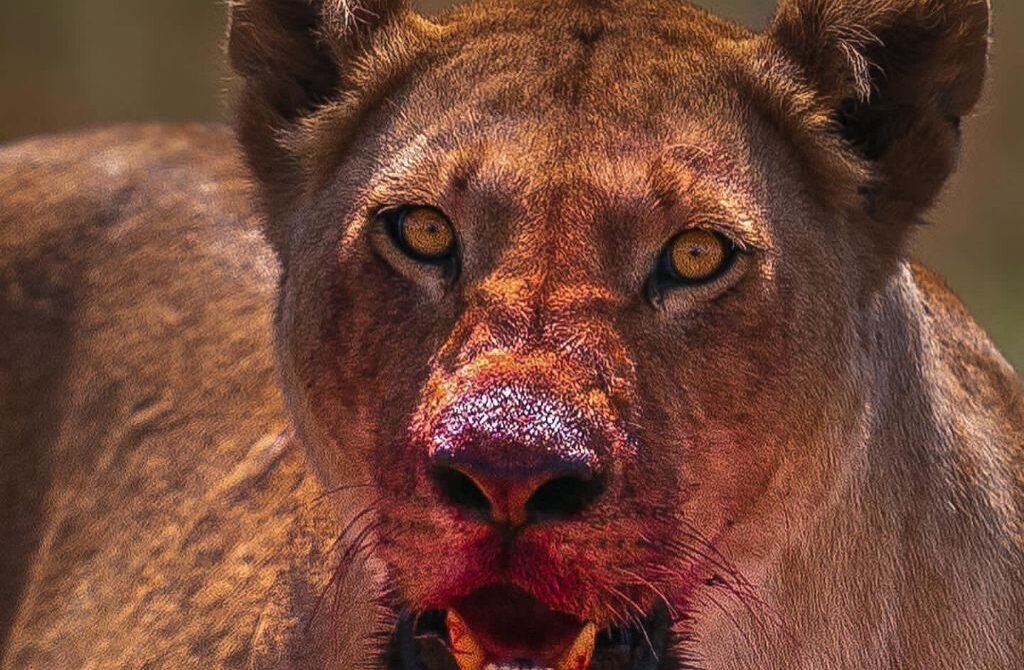
1. Lion (Panthera leo)
Known as the king of the jungle, lions are the only social big cats, living in groups called prides. Male lions are recognized by their majestic manes, while females do most of the hunting.
Fun Fact: Lions can roar up to 5 miles away, helping them communicate across the savanna.
2. Leopard (Panthera pardus)
Leopards are elusive, solitary cats that excel at stealth and camouflage. They often drag their prey into trees to protect it from scavengers.
Fun Fact: Leopards can run up to 36 mph in short bursts, making them efficient hunters.
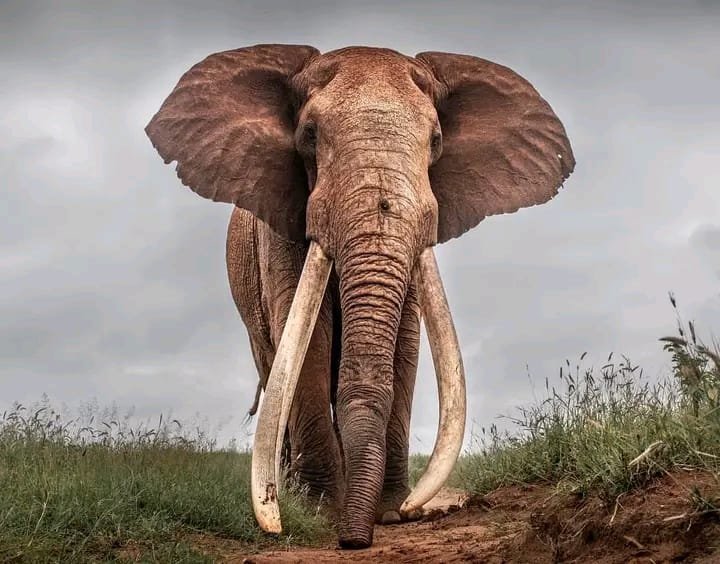
3. African Elephant (Loxodonta africana)
The largest land animals on Earth, African elephants are known for their intelligence, social structure, and memory. They live in matriarchal herds led by older females.
Fun Fact: Elephants communicate using infrasound, low-frequency sounds inaudible to humans.
4. Rhinoceros (Black & White Rhino)
Africa is home to the black and white rhinos, both critically endangered due to poaching for horns. Rhinos are mostly solitary but play a key role in the ecosystem by shaping vegetation.
Fun Fact: A rhino’s horn is made of keratin, the same material as human hair and nails.
5. Cape Buffalo (Syncerus caffer)
Also called the African buffalo, these herbivores are known for their strength and unpredictability, making them dangerous if threatened. They often live in large herds for protection.
Fun Fact: Cape buffaloes have almost no natural predators, except lions, when in groups.
Conclusion
Seeing the Big Five in the wild is a dream for many safari-goers. From the social pride of lions to the intelligence of elephants and the elusiveness of leopards, each species tells a story of Africa’s rich biodiversity. Understanding these animals enhances your safari experience and encourages wildlife conservation awareness.