Introduction
Elephants are among the most iconic and fascinating animals on Earth. While many travelers imagine all elephants look the same, there are distinct differences between African elephants and Asian elephants. Understanding these differences helps safari-goers and wildlife enthusiasts appreciate these magnificent creatures even more.
1. Size and Body Shape
African elephants are the largest land animals in the world. Male African elephants can reach up to 12 feet tall at the shoulder and weigh over 6,000 kg, while Asian elephants are slightly smaller, with males averaging 9–10 feet in height and weighing up to 5,400 kg.
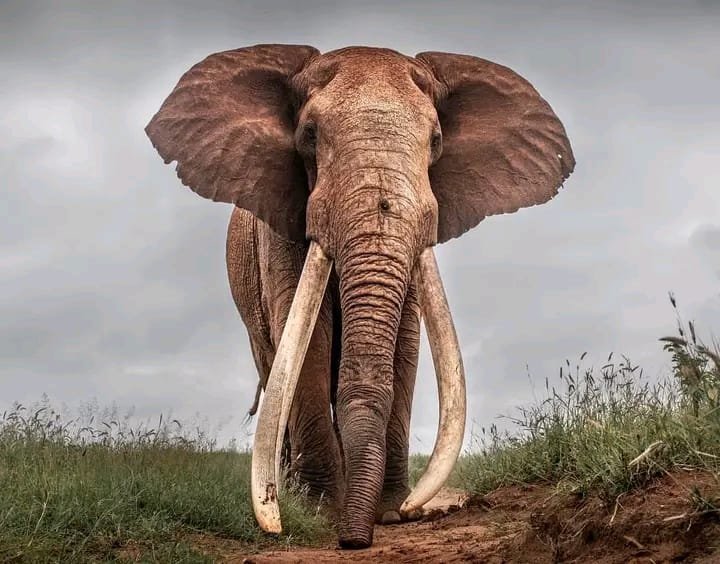
African elephants: Large ears shaped like the African continent, helping regulate body temperature.
Asian elephants: Smaller, rounded ears.
2. Head Shape and Tusks
The heads of African elephants have two dome-shaped bumps, whereas Asian elephants have a single rounded dome.
Tusks also differ:
Both male and female African elephants usually have tusks, while in Asian elephants, only males generally have long tusks. Female Asian elephants may have very small tusks called tushes or none at all.
3. Skin and Back
African elephants have more wrinkled skin, which helps retain moisture and regulate temperature. Asian elephants have smoother skin.
Back shapes:
- African elephants’ backs are concave or slightly dipped
- Asian elephants have arched or convex backs
4. Trunk Tips
The trunk of an elephant is a remarkable tool for feeding, drinking, and social interactions:
| Feature | African Elephant | Asian Elephant |
|---|---|---|
| Trunk Tips | Two finger-like projections | One finger-like projection |
5. Habitat and Distribution
- African elephants: Sub-Saharan Africa (savannas, forests, deserts)
- Asian elephants: South and Southeast Asia (forests, grasslands, scrublands)
6. Behavior and Social Structure
- African elephants: Larger family herds led by an older matriarch.
- Asian elephants: Smaller groups, females with calves, males more solitary.
Conclusion
Both African and Asian elephants are intelligent, social, and extraordinary creatures, but their differences in size, ears, tusks, trunks, and habitats make each species unique. Whether you encounter them on a Tanzanian safari or in the forests of Asia, understanding these distinctions enriches your wildlife experience.
Code Example for Formatting (Optional)
African Elephant:
- Max Height: 12 feet
- Weight: 6,000 kg
- Ears: Large, shaped like Africa

Asian Elephant:
- Max Height: 10 feet
- Weight: 5,400 kg
- Ears: Small, rounded